Inconsistencies in Paul Hillsdon’s “Transit for Tomorrow” LRT plan
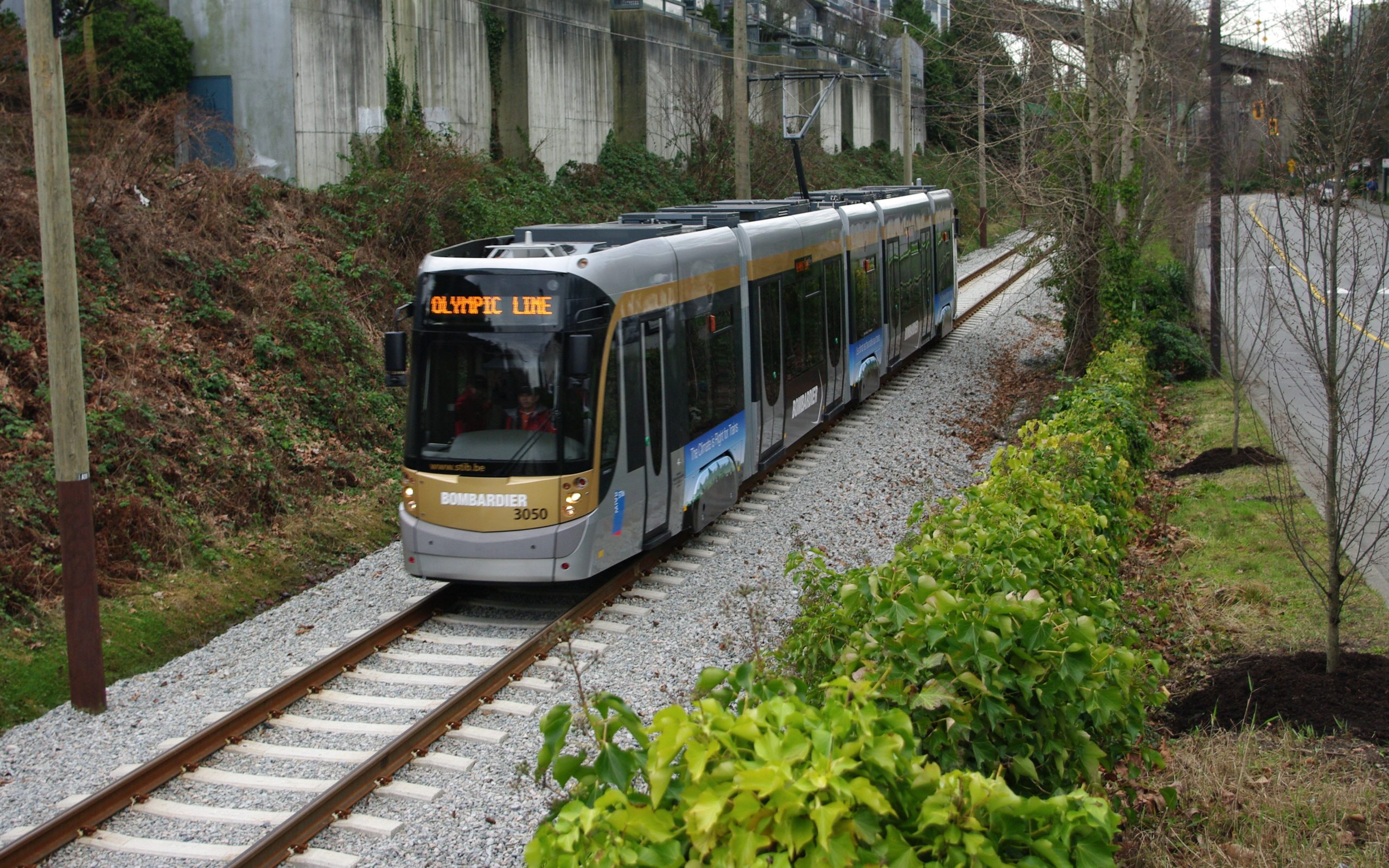
Paul Hillsdon proposed a network of 43.4 kilometres of light rail for a cost of $1.1 billion; it would actually cost $2.39 billion.
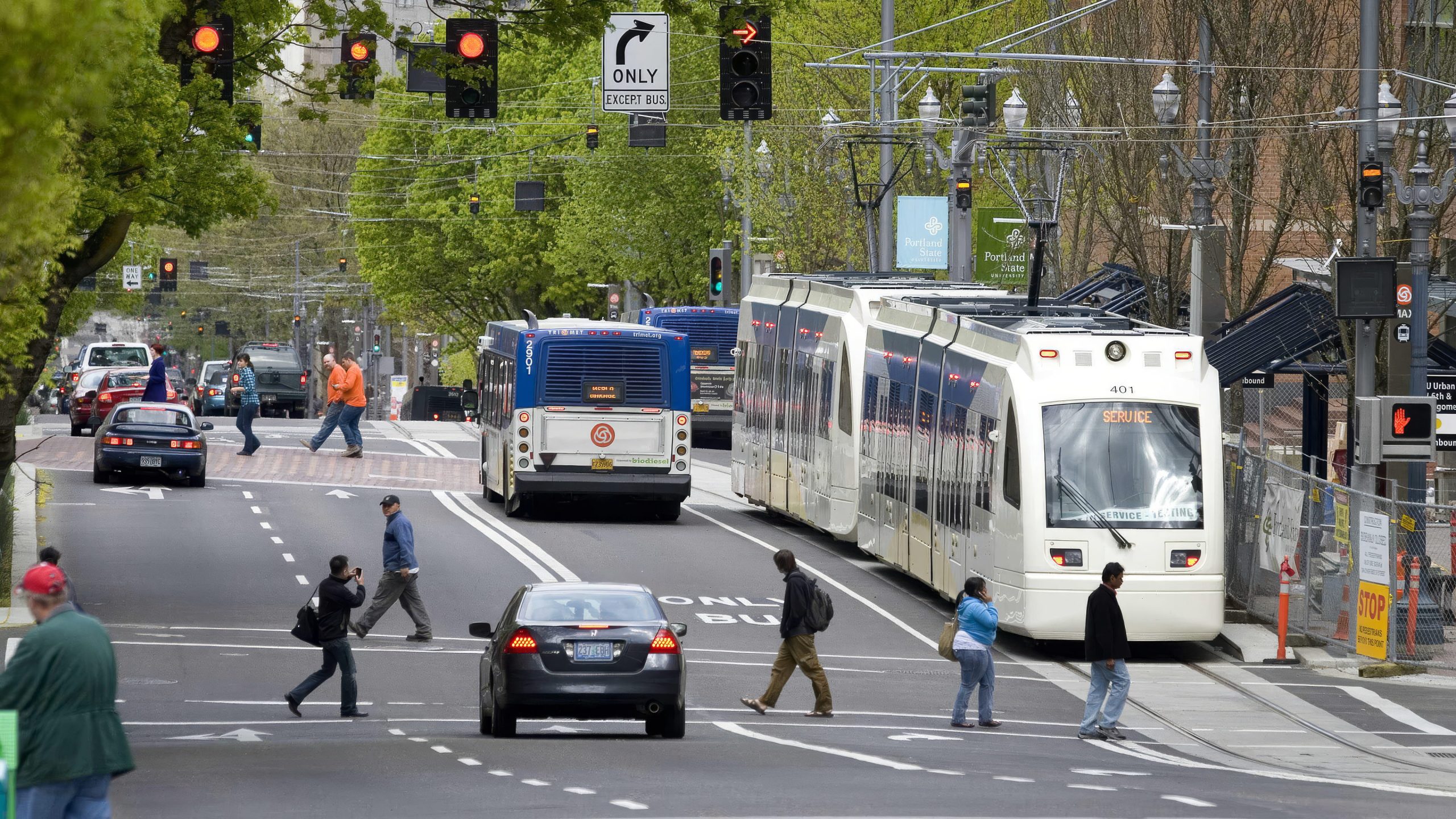
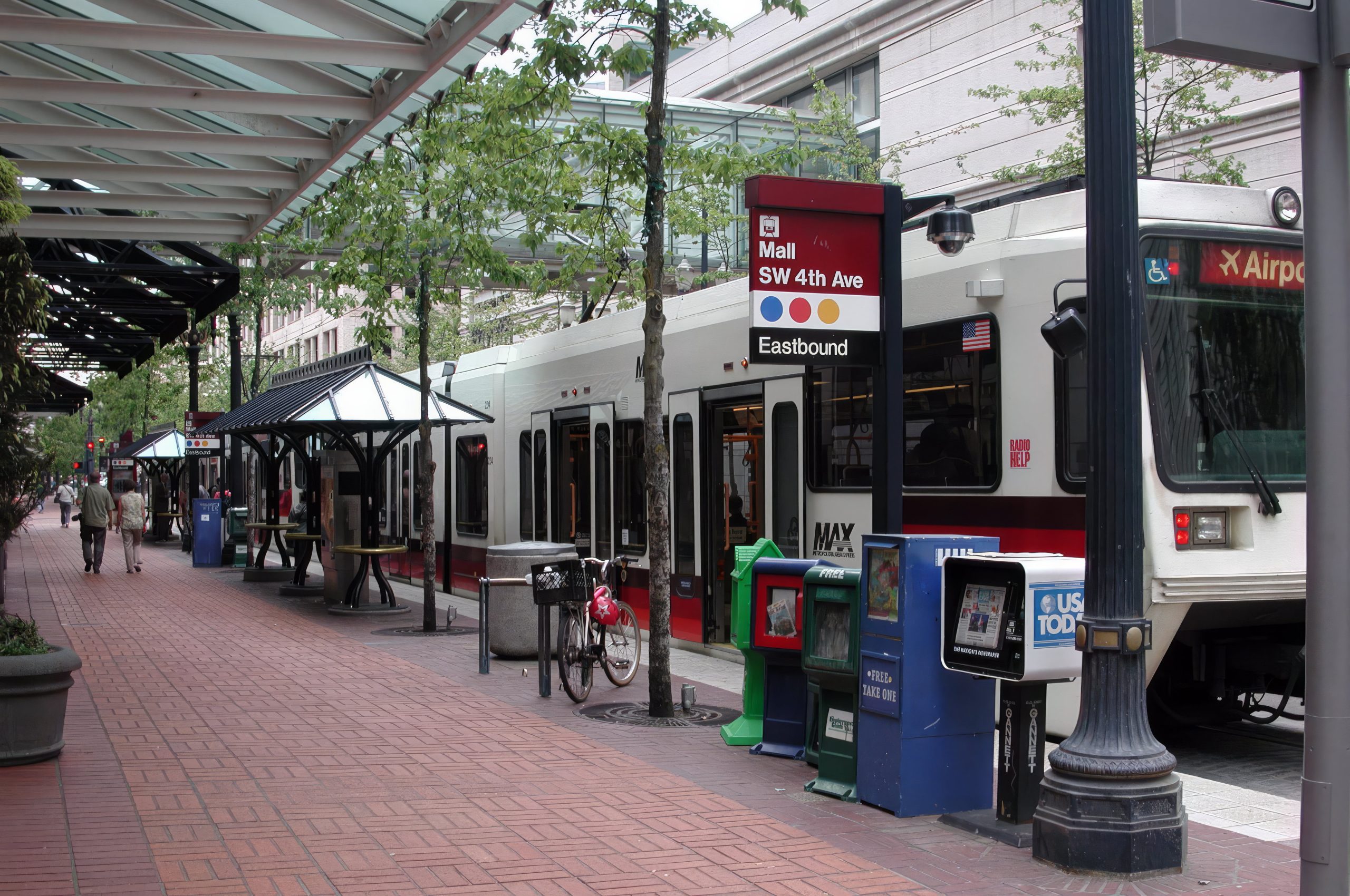
Portland’s LRT “success story” collapses once you see how much of the development was subsidized with public funds.
Portland’s experience shows that decades of costly light rail expansion don’t automatically translate into higher transit use.
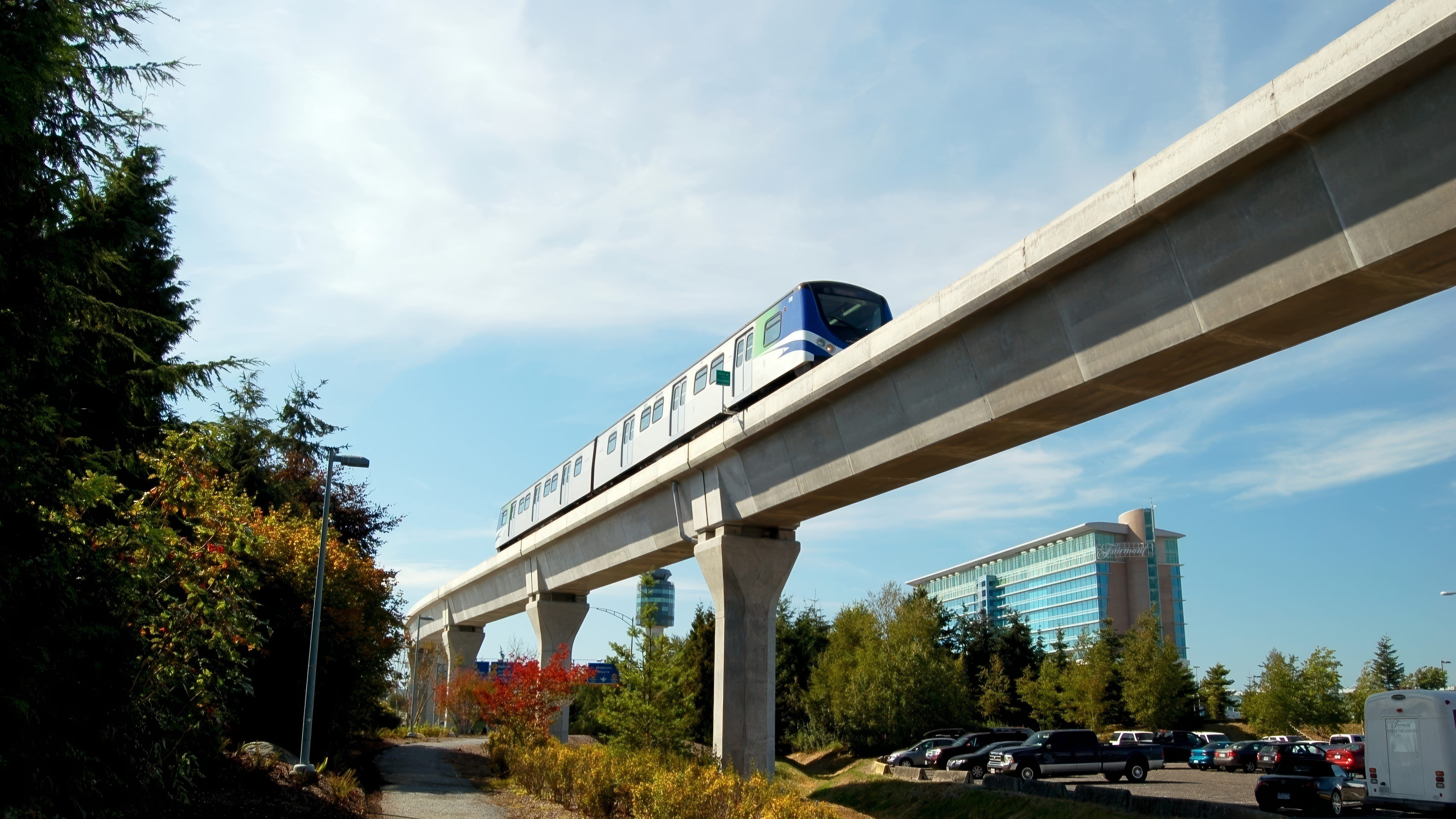
A 2010 survey by TransLink shows that Canada Line riders value speed, frequency and reliability
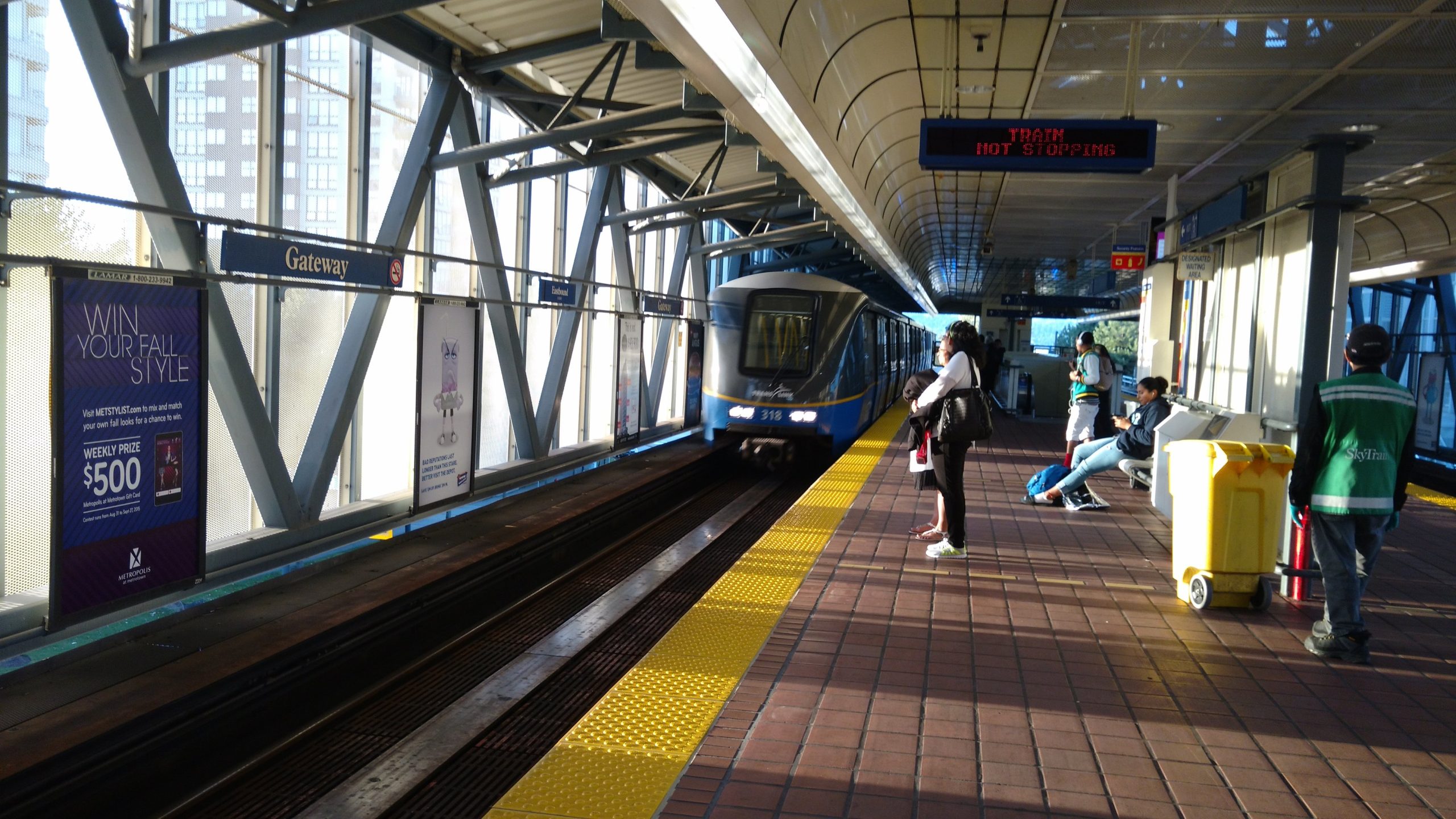
TransLink has launched a request to companies for longer 4-car SkyTrain cars—which could open the door to even longer 5-car train sets.
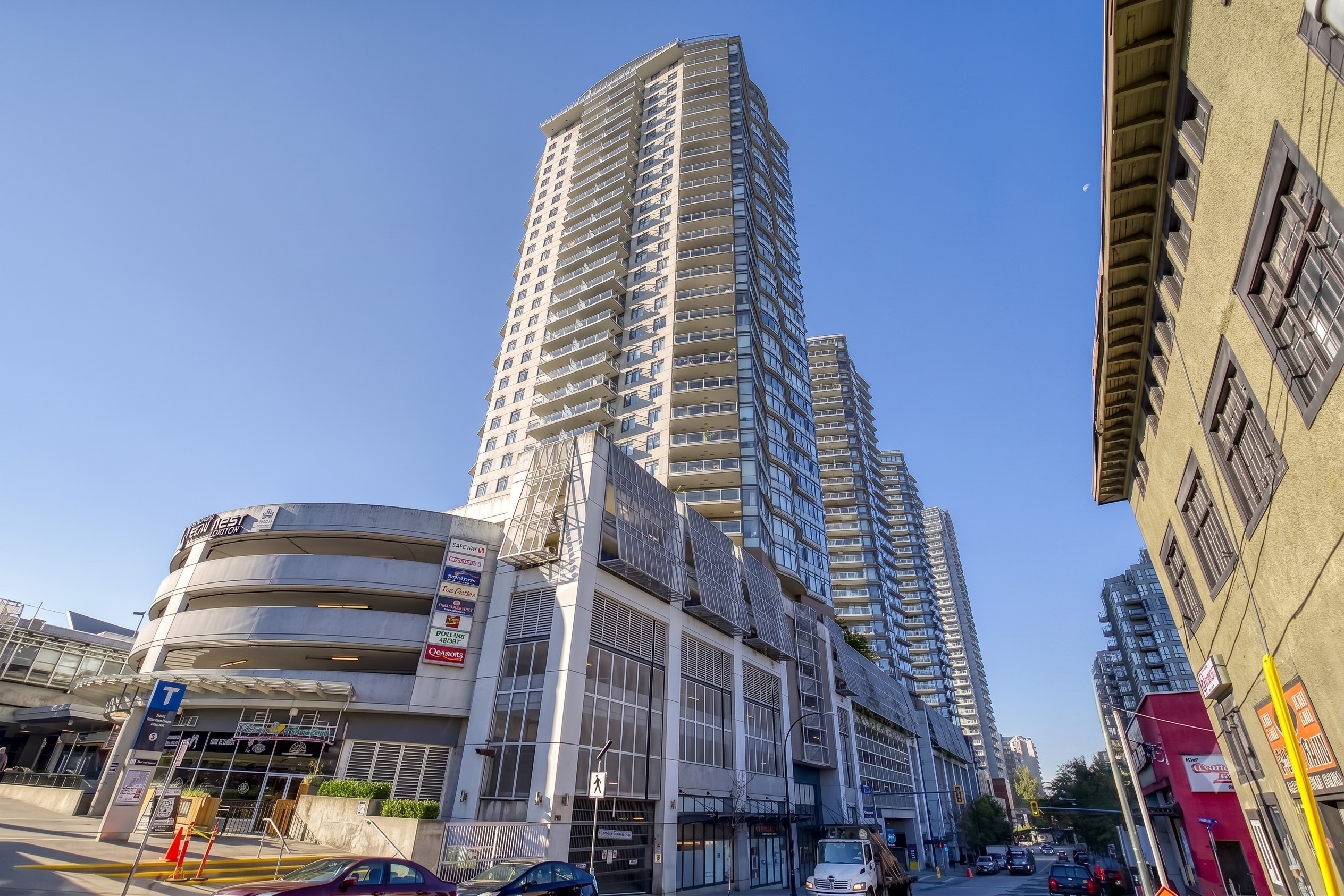
The facts show that SkyTrain offers stronger community integration than any proposed at‑grade LRT alternative.
SkyTrain technology (linear induction motors) is used in several cities in Japan.
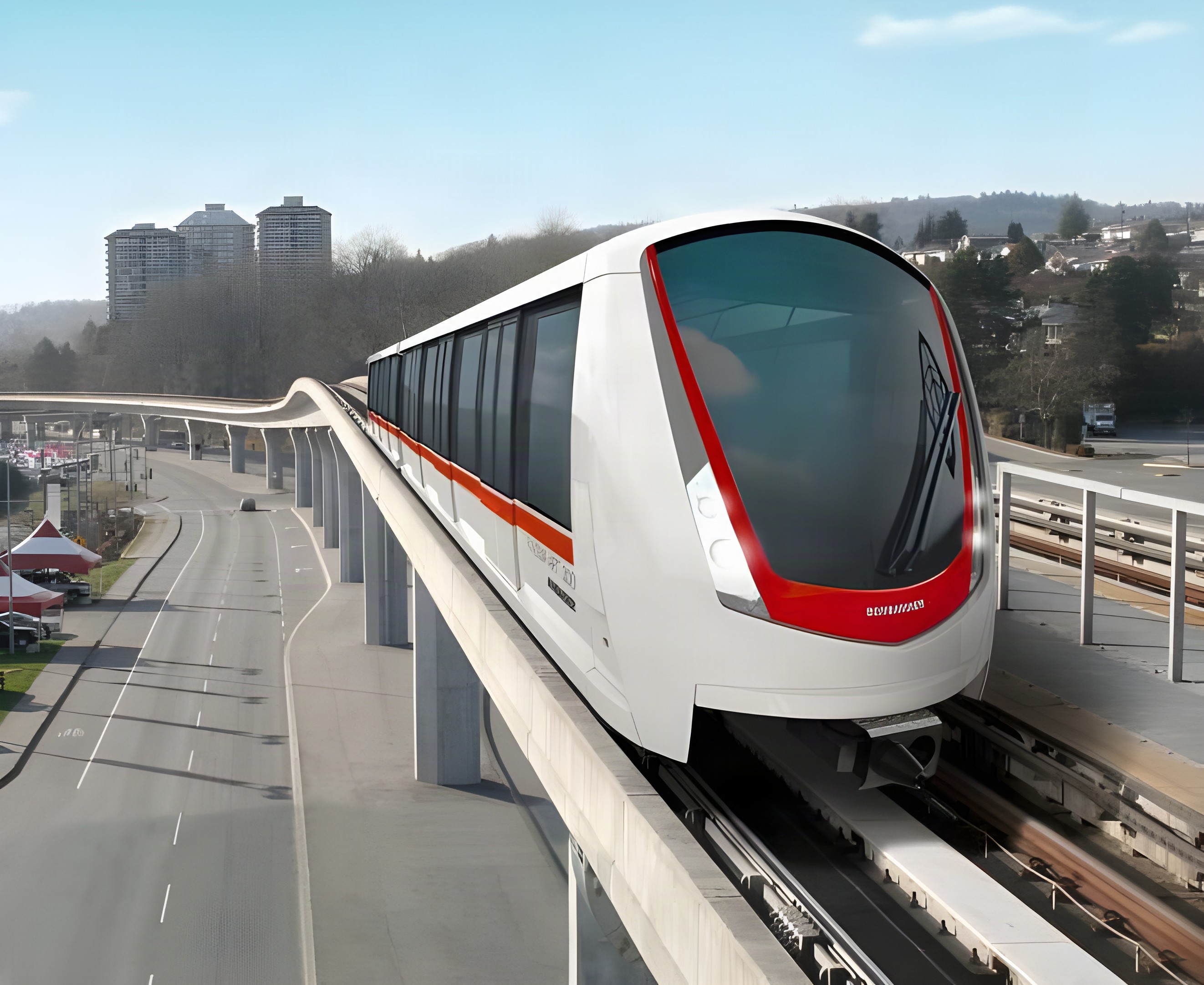
SkyTrain technology (Bombardier Innovia ART) delivers fast, reliable, automated rapid transit with lower construction and operating costs.
The Downtown Surrey BIA’s new transportation study excludes SkyTrain expansion on factually misleading grounds.
Why should the Portland MAX Light Rail system, which has failed to ease traffic congestion, serve as a role model for rail transit in Surrey?