EDMONTON’S BRAND NEW VALLEY LINE LRT FACES MASSIVE SERVICE CUTS DUE TO LOW RIDERSHIP.
Now that the Valley Line has transitioned from its P3 public-private partnership operator (TransEd) to a new arrangement where the line will be operated directly by the City of Edmonton, all eyes are on Edmonton Transit as to whether it will keep the current service patterns—or make riders wait significantly longer for trains, to save money.
At least one media outlet (the CBC) is already dropping hints that the current 5-minute frequency at peak times will soon be a thing of the past. Could this be the beginning of a death spiral to serious service cuts?
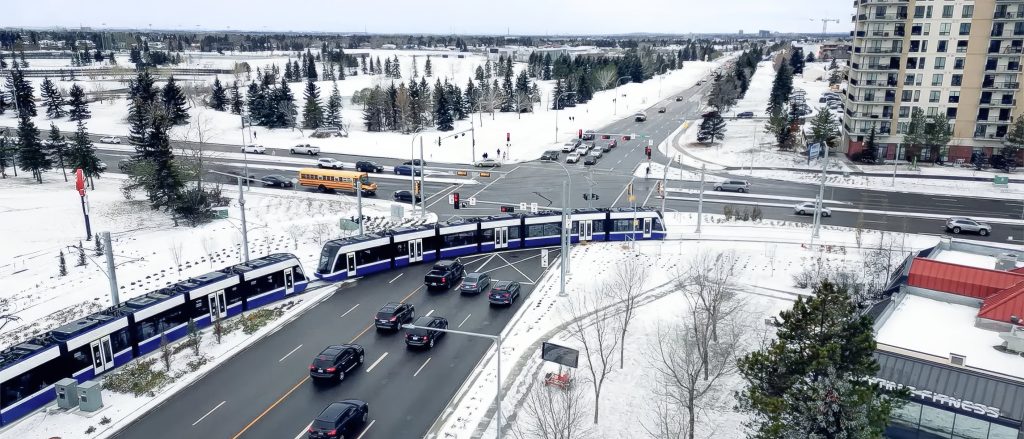
These upcoming service cuts are, without a doubt, a direct consequence of the system’s surface-running LRT design.
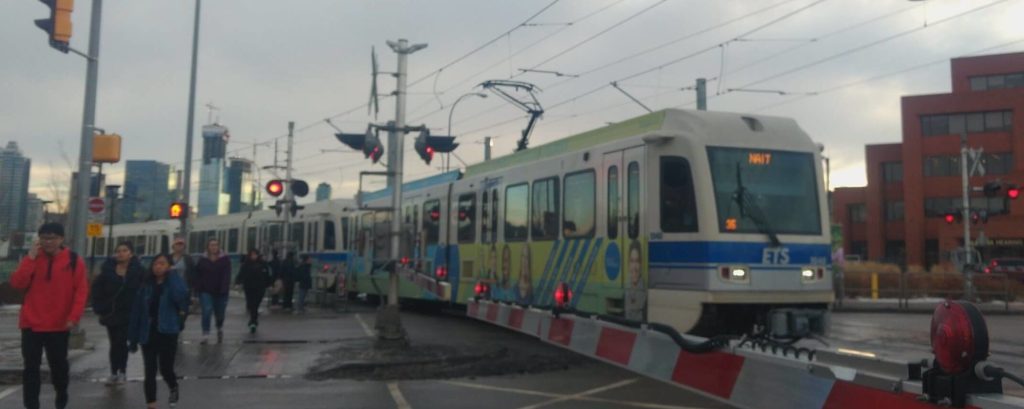
The Valley Line’s design philosophy was based on a bet that a European-style low-floor “urban” light rail system running on city streets would both be “better” for the public realm and more attractive to potential riders. That is to say, Edmonton believed that this system—with its at-grade tracks in the downtown core, and street-running everywhere else—would offer the ridership performance of the Capital Line LRT, the existing 1970s-era high-floor LRT system that runs through a tunnel in the downtown core and as an off-street railway outside of it.
Unfortunately, that bet on a European-style street running LRT was way off the marks.
from Edmonton Transit Service Advisory Board (ETSAB) data
No Data Found
As we previously reported, ridership on the Valley Line does not even reach 10,000 passengers per day, which is less than one-third of the original estimate of 31,500 on opening day, a ridership projection that was probably crucial to the line’s operating business case.
This incredibly dismal ridership outcome has prompted questions from local officials and media, given the line’s enormous capital cost of $1.8 billion, and the years of construction impacts. It has also prompted the line’s private operator to already make one major service cut—by ending 2-car train operation, cutting the length of all trains (and the system’s carrying capacity) in half.
As ridership determines the ability for fares to support operations, it’s easy to see more cuts are coming. But just how bad could it get?
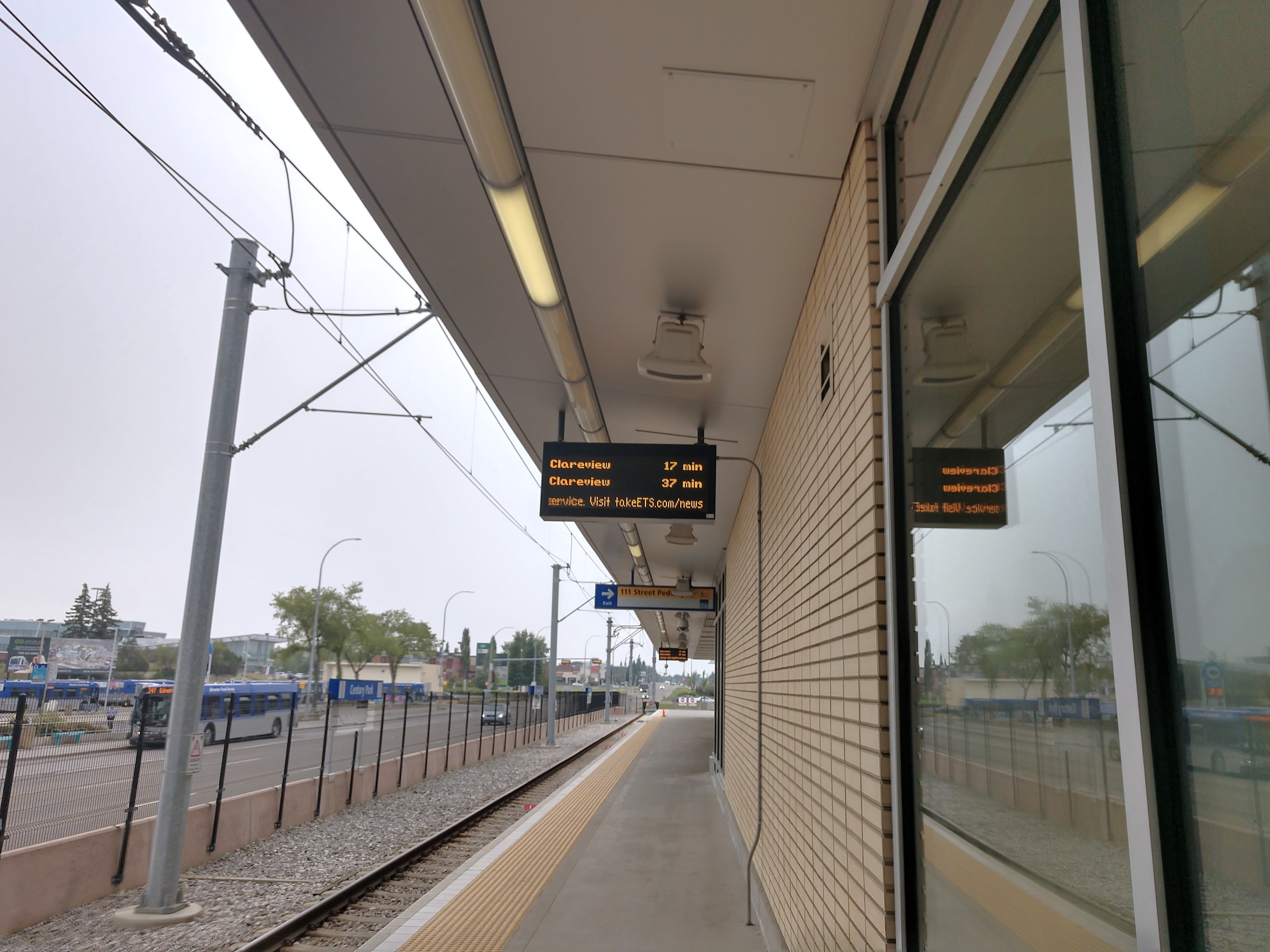
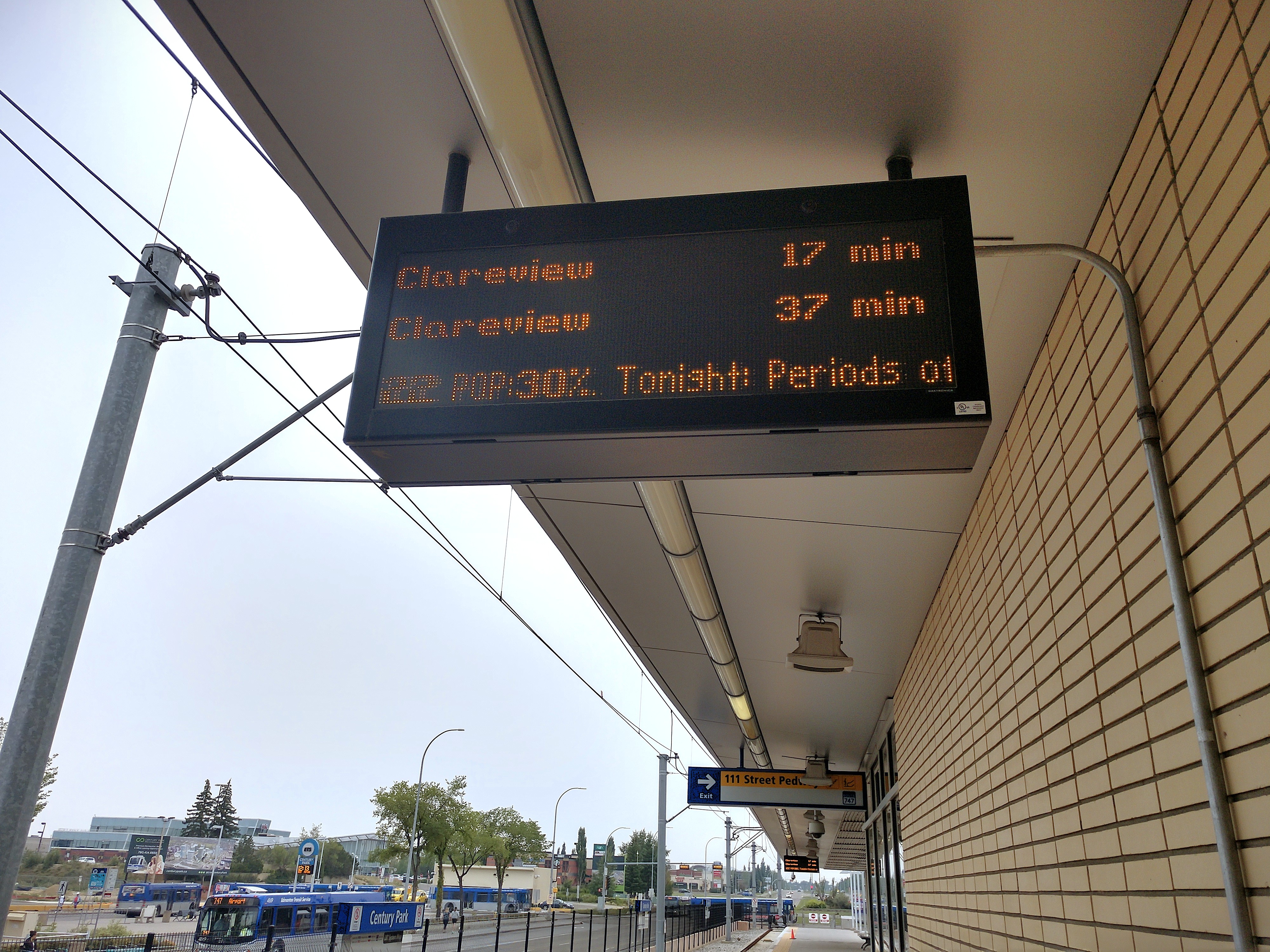
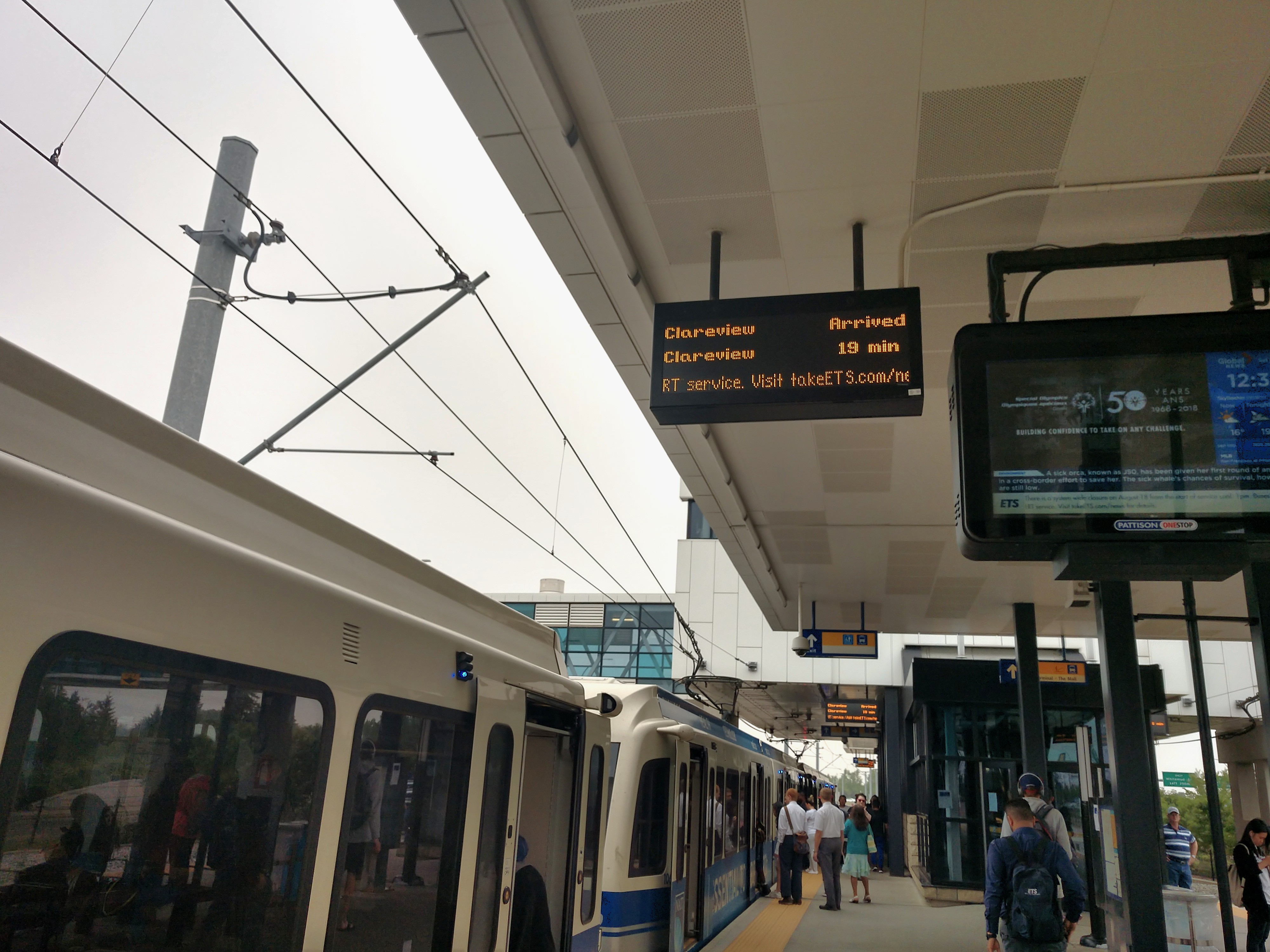
When I visited Edmonton in August 2018 to attend a major event, I took the Capital Line LRT downtown from Century Park Station and was shocked to find that at 1 P.M. on a Saturday, trains on the LRT were only running every 20 minutes.
I thought that Edmonton Transit had scheduled construction or maintenance work to cause a temporary reduction in scheduled frequencies, but nope. This was, in fact, the normal service schedule for a Saturday—on the single most important transit spine of the city.
I had to wait 17 of those 20 minutes—far longer than what I would wait for many surface transit routes here in Vancouver, let alone the SkyTrain. This is a service level that would not meet Vancouver’s standards for the “frequent transit network”.
I was hoping that Edmonton had improved these frequencies by now, but a Reddit thread reveals that the 20-minute frequency Capital Line LRT schedule was still in place on Saturdays and Sundays as recently as September 2023—less than 3 years ago.
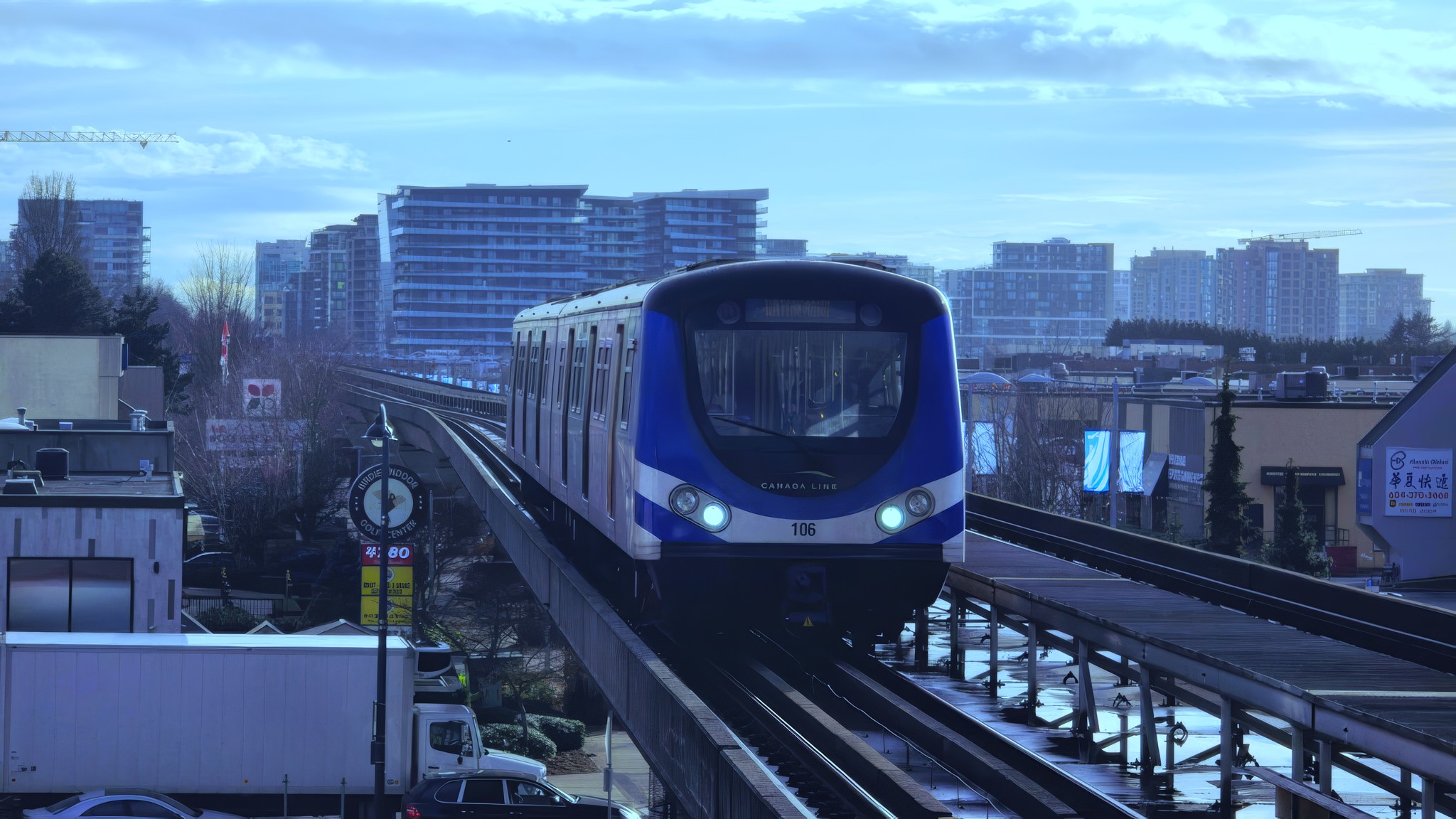
It’s important to note that the Valley Line’s operating contract with TransEd (prior to the takeover by Edmonton Transit) is based on the same “P3” model that’s being used for our Canada Line here in Vancouver. The private consortium (TransEd) was given a contract by the City of Edmonton to design, build, partially finance, and operate and maintain the line for a set period of time.
This model essentially requires ridership to meet or exceed projections in order to give good value to taxpayers, because the operating payments to the private contractor are fixed—no matter how much revenue is being collected through fares.

While this model is inherently risky, it never ended up being a problem here in Vancouver because the Canada Line met and exceeded its ridership projections—surpassing a break-even target of 100,000 riders per day 3 years ahead of schedule. As the Canada Line has shown, performance is key: surveyed riders have cited speed, frequency and reliability as factors that have driven unprecedented ridership results.
By comparison, the Valley Line does not have good speed and it does not have good reliability. It will soon not have good frequency either.
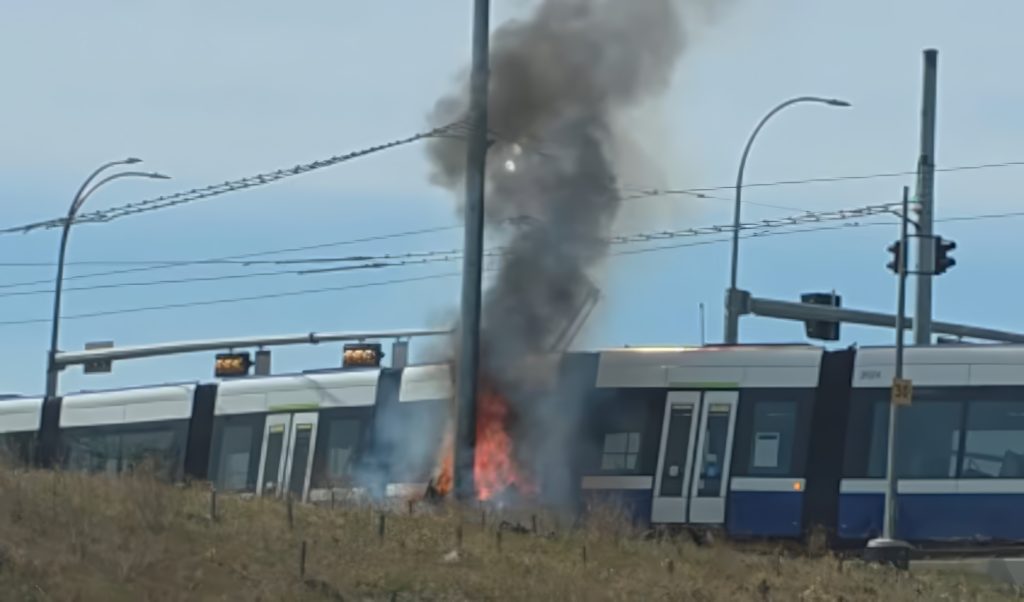
It’s plain to see why the City of Edmonton was in a rush to have Edmonton Transit take over the system operations from TransEd.
In essence, to allow TransEd to continuing operating the line “full steam ahead” would have been enormously expensive—perhaps even outweighing the cost of the rumoured early contract cancellation penalty paid by the City of Edmonton to TransEd for walking out.
Unfortunately, it’s quite clear that part of those cost savings will be delivered by cutting LRT service and increasing waits for riders.
Reality Check
Reality Check is the online blog run by the founder of SkyTrain for Surrey, a BC-based community organization that has advocated for the expansion of the Vancouer SkyTrain system, including our successful advocacy for the under-construction Surrey-Langley SkyTrain extension.
Media Contact: Daryl Dela Cruz – Founder, SkyTrain for Surrey ・ Phone: +1 604 329 3529, [email protected]