SkyTrain for Surrey

Why a surface LRT on Broadway to UBC would be a disaster

A recent Globe and Mail article highlighted comments from a UBC spokesperson advocating for an at‑grade Light Rail Transit (LRT) line to the Point Grey campus. While the article simply reported the spokesperson’s position, the argument presented in favour of LRT overlooks well‑documented realities about the Broadway corridor—realities that transit planners, riders, and advocates have been raising for years.

These comments, even if they are well‑intentioned, do not reflect the full scope of evidence or the long‑term implications for reliability, capacity, and regional connectivity. Understanding these realities is essential before considering any proposal that would lock the corridor into an at‑grade LRT system for decades to come.

Broadway's Unique Demands

To start, the UBC SkyTrain advocacy website lays out the following points regarding ground-level light rail construction:

Contrary to what some believe, the construction of ground-level light rail is nearly just as time consuming and disruptive as cut and cover construction. Surface light rail will also impact local businesses after construction in ways that are not anticipated.

1) The only remotely suitable corridor for ground level light rail is Broadway Street (and West 10th Avenue, west of Alma).

2) A large GVRD trunk sewer is located under Broadway, any rapid transit rail line located on the street will require a costly and time lengthy removal (via cut and cover trench) and relocation.

3) LRT on Broadway will require a construction timeline of approximately 2 years, a small improvement over cut and cover methodology. Businesses will still be affected due to the inconveniences of street closures: parking lanes eliminated; street traffic reduced to two lanes, and fencing containing a construction zone dividing the street in half.

4) When completed, a majority of parking spaces along Broadway and the 10th Avenue corridor (west of Alma) will be lost. In addition, traffic lanes will be reduced significantly (mainly 2-lanes throughout much of the corridor).

Broadway is one of the busiest bus corridors in North America, with the 99 B-Line bus line itself carrying more passengers than any single LRT line in Portland. However, unlike the calm downtown streets where Portland’s LRT operates, Broadway’s dense pedestrian activity, short block lengths, and heavy cross‑traffic create an environment where an at‑grade rail system would face significant operational constraints.

These limitations would cap capacity, reduce reliability, and expose the corridor to service disruptions far more severe than those of today. A single intersection collision or stalled vehicle blocking the tracks for even an hour would halt the entire line. The B‑Line, despite its challenges, can reroute around incidents—an essential flexibility that an on‑street LRT cannot replicate.

A single accident along a light rail corridor, such as this one in Houstin Texas, could shut down light rail transit service on both directions of a corridor for several hours, until the track is cleared.
A single accident along a light rail corridor, such as this one in Houston, Texas, could shut down light rail transit service in both directions of a corridor for several hours, until the track is cleared.

Transfers and Long‑Term Connectivity

LRT proponents often argue that a surface line could deliver a “through” rapid transit route to UBC at a lower cost. However, this overlooks a key operational reality: riders on the Millennium and Expo Lines would still face an additional transfer to reach UBC.

While UBC’s spokespersons frame Broadway from UBC to Commercial-Broadway as the “whole route”, that is a key mistake—when the opportunity exists to create a much longer through route that expands through the region via the Millennium Line, and even further into Coquitlam once construction is complete on the Evergreen Line extension. That 

An LRT line permanently eliminates the future option of seamless, transfer‑free connection to campus.

Environmental and Congestion Impacts

Although the 99 B‑Line uses diesel buses, it remains one of the most efficient bus routes in North America on a greenhouse‑gas‑per‑passenger basis due to its extremely high ridership. Replacing it with a ground‑level LRT would offer only incremental emissions improvements, while introducing new congestion impacts from lane reductions and intersection delays, that would likely offset those gains entirely.

For a corridor as vital as Broadway, an at‑grade LRT would amount to a modest, short‑term upgrade—essentially a “99 B‑Line with steel wheels.”
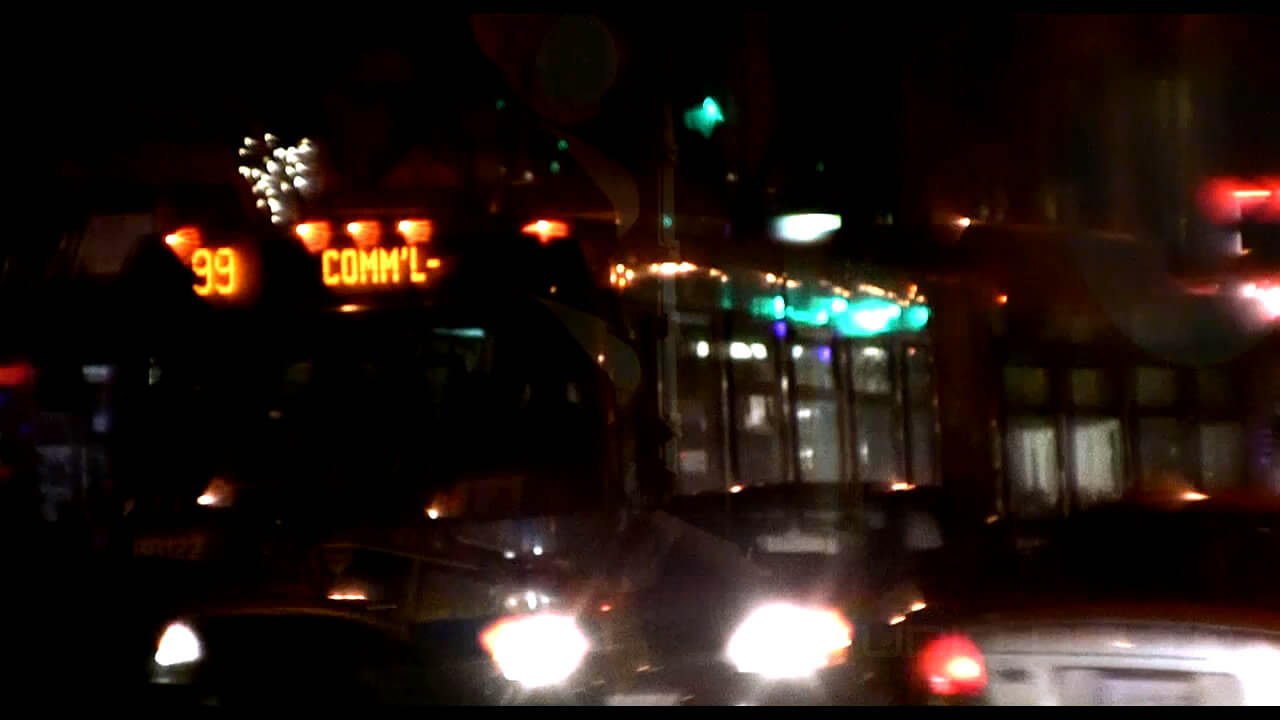

The use of diesel buses on the 99 is well made up for the fact that the route is one of the - if not the - most efficient bus routes on an greenhouse-gas-emissions-per-passenger basis in North America, because it is the busiest bus route in operation in North America.
An articulated bus on the 99 B-Line on Broadway in Vancouver

Why SkyTrain Is the Right Long‑Term Solution

A SkyTrain extension provides the grade‑separated, high‑capacity rapid transit that Broadway requires. It offers reliability, resilience, and scalability that an at‑grade LRT cannot match. For businesses, commuters, and UBC students, SkyTrain is the only option capable of supporting both current demand and future growth without compromising service quality or regional connectivity.

SkyTrain for Surrey encourages transit users, planners, and advocates to support a SkyTrain extension to UBC and to recognize that an at‑grade LRT on Broadway would fall far short of what the corridor needs.

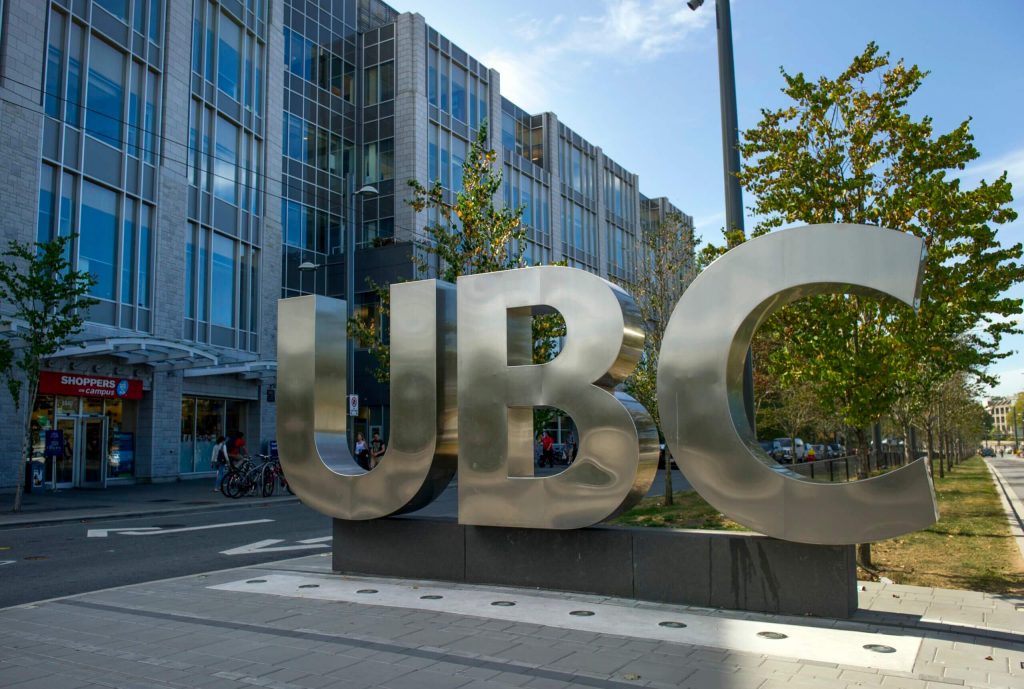
Pictured in header: UBC letters at the UBC campus

Reality Check

Reality Check is the online blog run by the founder of SkyTrain for Surrey, a BC-based community organization that has advocated for the expansion of the Vancouer SkyTrain system, including our successful advocacy for the under-construction Surrey Langley SkyTrain extension.

Media Contact: Daryl Dela Cruz ​– Founder, SkyTrain for Surrey ・ Phone: +1 604 329 3529, [email protected]

Why a surface LRT on Broadway to UBC would be a disaster